

Featured
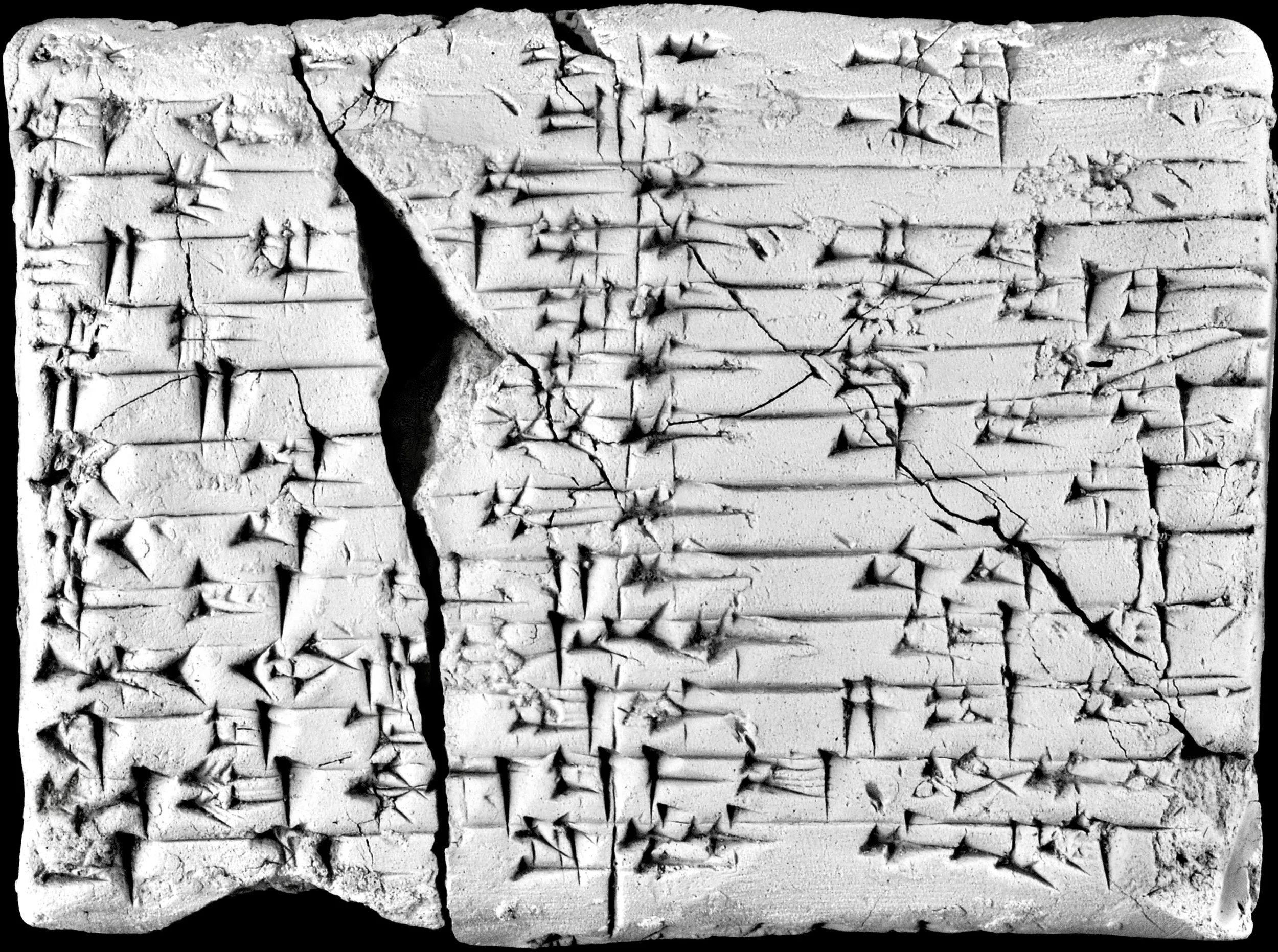










When the earth quakes in Nisan, the king's land will revolt from him. When the earth quakes during the night, harm will come to the land.
— omen from Nineveh cuneiform tablet, likely 7th c BC
A tribune of the plebs assaulted on the steps of the senate house. Can you imagine a more terrible sacrilege? — Julius Caesar
The outcome of every fight is death, and the means are fire and sword.
-Seneca, on the execution of criminals in the Colosseum
A brief and somewhat lazily written post about the tenuous connections Lemuria has with Mother’s Day and Halloween.
Neighbors gather sincerely and hold a feast,
And sing your praises, sacred Terminus!
—Ovid
A great civilization is not conquered from without until it has destroyed itself from within.
— Will Durant
The strength of an empire is in its foundations, and when they rot, the mightiest columns will crumble.
— Tacitus
Rome, the city of seven hills, is the mistress of the world. — Horace
What can be found in Rome? Whatever is vile, whatever is shameful; this is what we see everywhere. — Seneca
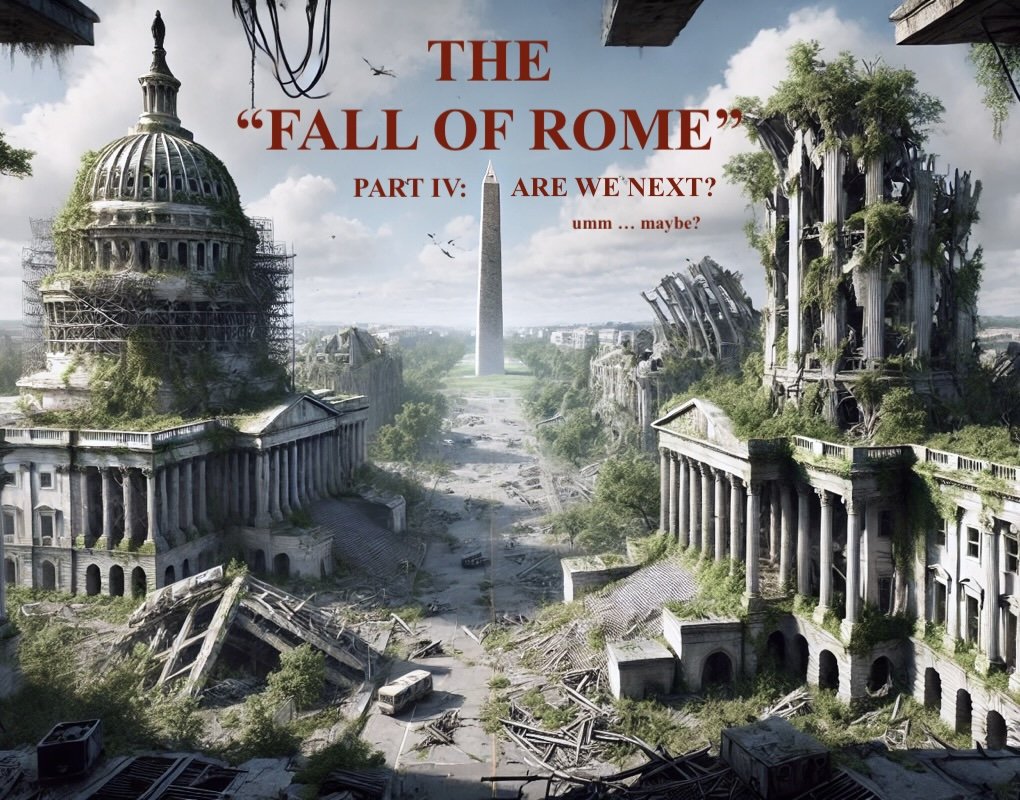
An overview of the oft-cited "Fall of Rome" What fell? What was "Rome" at that time? Are we next? Dive into this 4-part series to understand the complexities of 'the fall' and what it means for us today. Oh, and I got a 1-month license for AI-generated images. Woo-hoo!
Cicero … did not shrink from publicly accusing the enemy Clodius of incest with brothers and sisters.
— Martin Jenhe
The common folk come, and scattered here and there over the green grass they drink, every lad reclining beside his lass … they grow warm with sun and wine, and they pray for as many years as they take cups, and they count the cups they drink.
— Ovid
It is the month of December, and yet the city is at this very moment in a sweat. Licence is given to the general merrymaking. Everything resounds with mighty preparations, – as if the Saturnalia differed at all from the usual business day! So true it is that the difference is nil, that I regard as correct the remark of the man who said: “Once December was a month; now it is a year.”
— Seneca
If a man were called to fix the period in the history of the world during which the condition of the human race was most happy and prosperous, he would, without hesitation, name that which elapsed from the death of Domitian to the accession of Commodus.
— Edward Gibbon
It is a curious emotion, this certain homesickness I have in mind. It is no simple longing for the home town or country of our birth. The emotion is Janus-faced: we are torn between a nostalgia for the familiar and an urge for the foreign and strange. As often as not, we are homesick most for the places we have never known.
— Carson McCullers
When Gracchus wanted to be reelected as tribune, he was killed on the Capitol by the optimates, led by Publius Cornelius Nasica. Gracchus was first hit by a piece of a chair, and with those who perished in this fight, he was thrown in the river, without funeral.
— Livy
For now there sprang up in the palace of the kings of Rome a monstrous growth of wickedness, to the end, it may well be believed, that the people might, for hatred of kingship and its way, come the earlier to love liberty.
— Livy
Octavius … set himself in opposition to Tiberius and staved off the passage of the law.
— Plutarch
Rome has grown since its humble beginnings that it is now overwhelmed by its own greatness.
— Livy
One of the downsides of working in antiquity is that you don't have many female voices, but you certainly have a lot of male terror about the potential of women's power. It shows you very clearly that the most oppressive cultures tend to be afraid of those whom they oppress.
— Mary Beard
The girls' heartthrob! The Thracian Celadus, of Octavius -- 3 wins, 3 trophies.
— Graffiti found at Pompeii
All who drink of this remedy recover in a short time except those whom it does not help, who all die.
— Galen
When the pirates demanded twenty talents for his ransom, he laughed at them for not knowing who their captive was, and of his own accord agreed to give them fifty.
— Plutarch
[They] were brought alive underground in the Forum Boarium, in a place surrounded by stones, already for years impregnated with the blood of human victims.
— Livy
Constantine saw with his own eyes the trophy of a cross of light in the heavens, above the sun, and bearing this inscription: conquer by this.
— Eusebius
My lords, the present occasion is too serious to allow me to follow the convention that a woman should not speak in a man's council.
— Empress Theodora